Why outdoor light
What outdoor light gives a portrait that no studio can reproduce.
There's something in natural light that studio flashes can't quite replicate. It's not about equipment or technique — it's an organic, shifting, living quality. Sunlight arrives in straight lines, but it diffuses when it hits surfaces, bounces off walls, filters through foliage. It doesn't just illuminate a subject — it wraps around them.
Asturias has a particular quality of Atlantic light. Soft, humid, slightly veiled — that humidity softens the light and creates those mornings when sea mist mingles with clarity, giving portraits an atmosphere you can't plan in advance. When the sun breaks through low cloud, the resulting light is some of the most flattering for outdoor portraits.
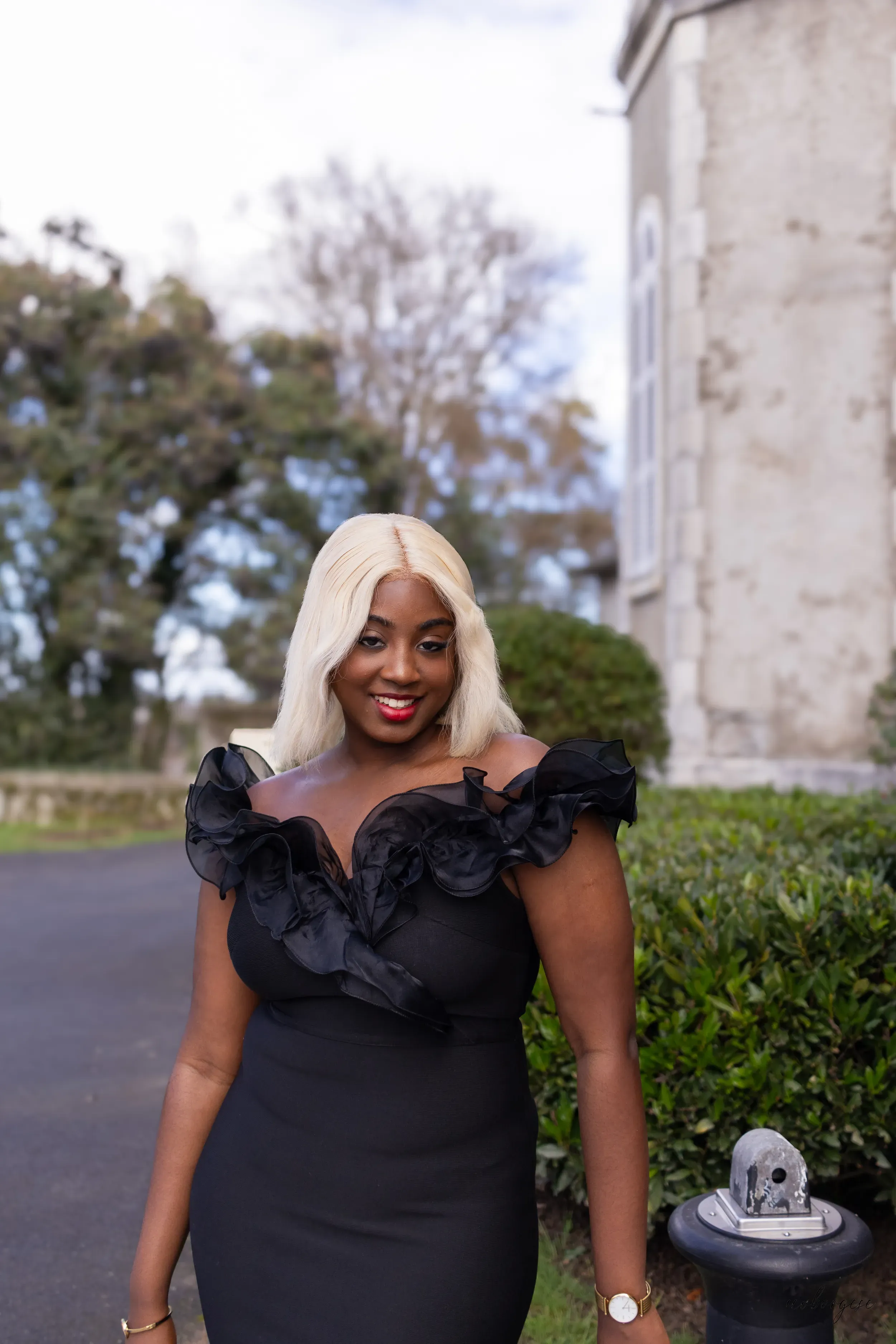
Technically, the time of day changes everything. At noon, the high sun creates short, hard shadows under the eyes. In the evening, the low sun transforms any ordinary scene into something interesting — skin takes on a golden warmth, eyes gain depth. Blue hour, between sunset and darkness, offers soft directional light that neon studio lighting never quite achieves. When the sky is overcast, light diffuses evenly and eliminates harsh shadows entirely — this is the ideal condition for portraiture, which is why studio photographers invest heavily in softboxes.
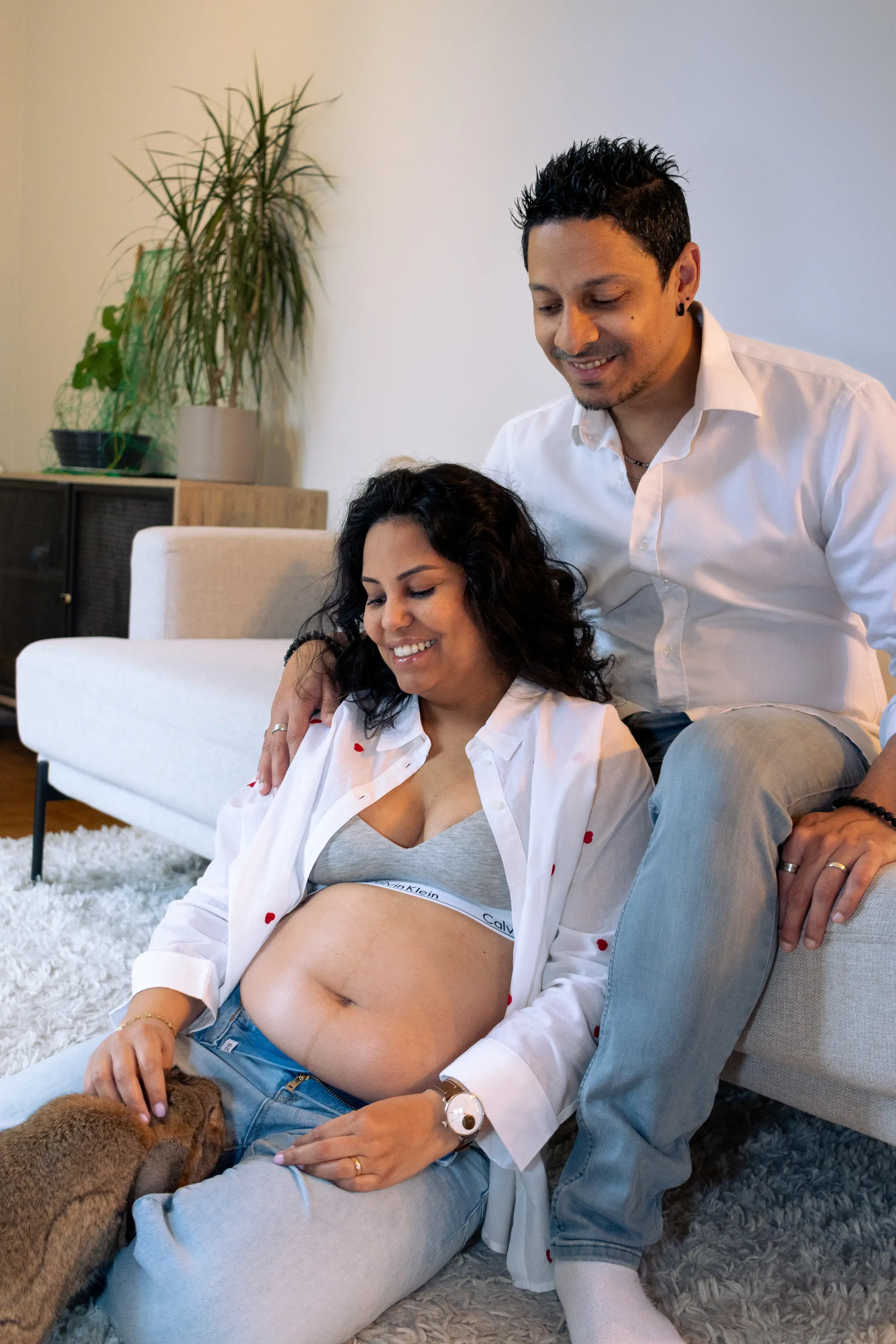
What matters most to me isn't technical though. It's how you feel during the session. Outdoors, you're in a place you've chosen, a place that suits you. Discomfort fades naturally — we walk, we talk, you forget the camera. An outdoor session doesn't feel like a formal photo shoot. It feels like a walk with someone who pays attention to you.
Before the session, I send recommendations on clothing. Warm tones — beige, terracotta, sky blue — work particularly well with golden hour light. Earthy shades look wonderful under the diffuse light of an overcast sky. Pure black absorbs light rather than reflecting it, so I generally suggest avoiding it. Regarding weather, I always keep a close eye on the forecast. In Asturias, a rainy day is often followed by exceptional light the next morning. In case of real precipitation, we always have a backup location — a village with stone roofs, a shelter under a farm porch — and I only reschedule in case of heavy rain.
Outdoor light, ultimately, is a way of seeing. Over time, you start to notice how light transforms an old wall, how the shadow of a tree frames a face, how evening softens the edges. It's a shift in perception that affects how you see yourself in photographs, but also how you see yourself each morning in the mirror.